


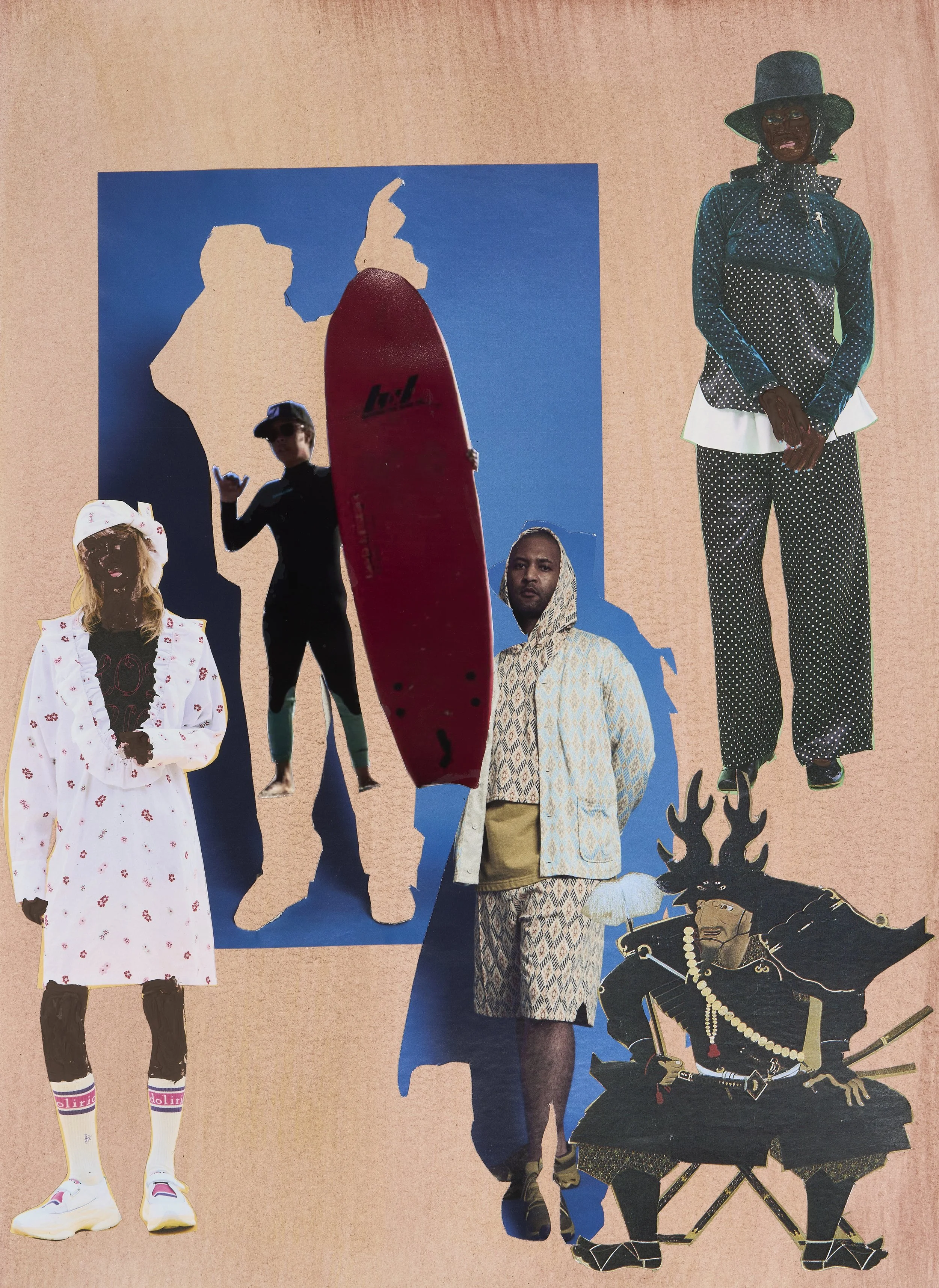


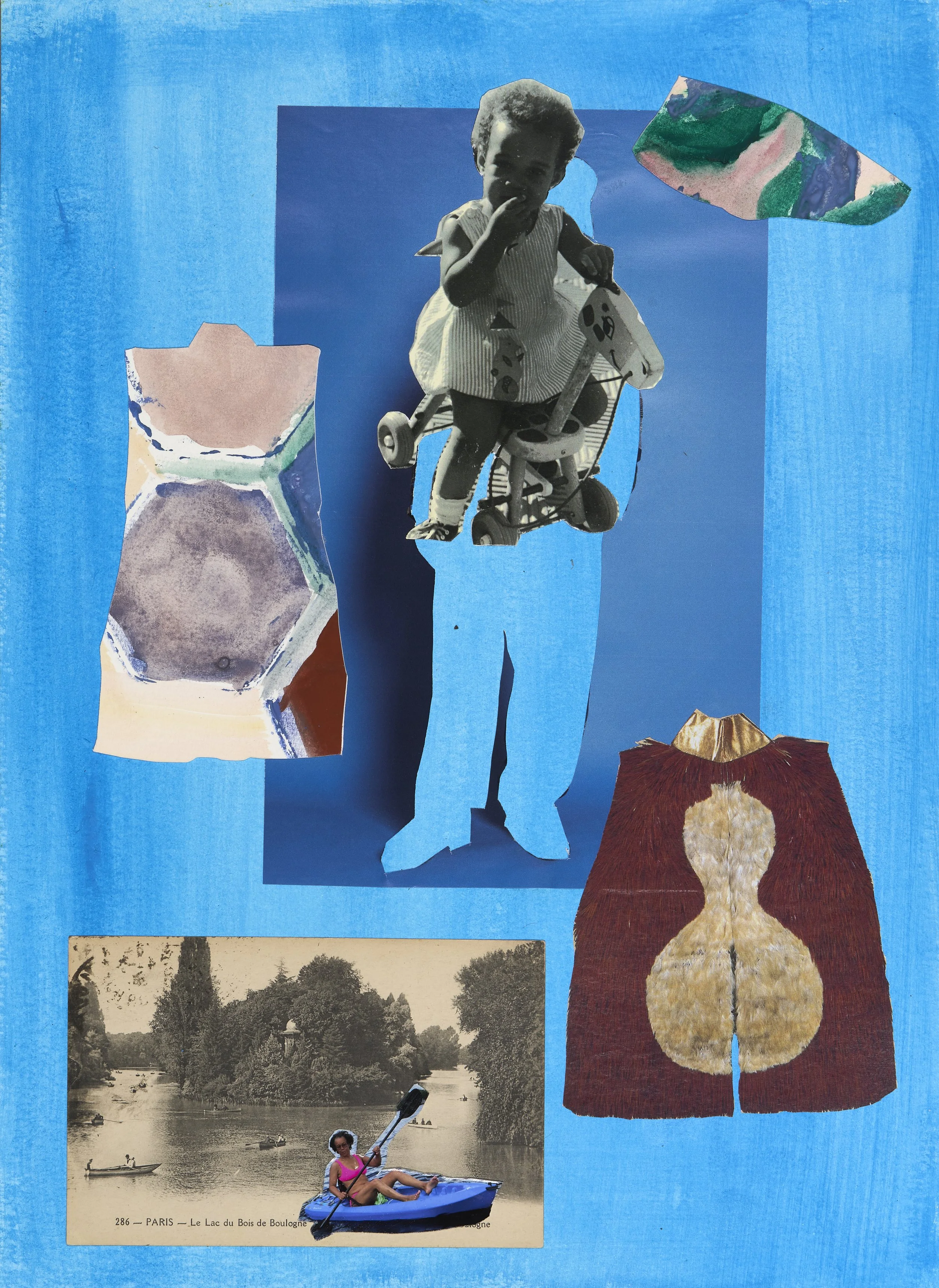

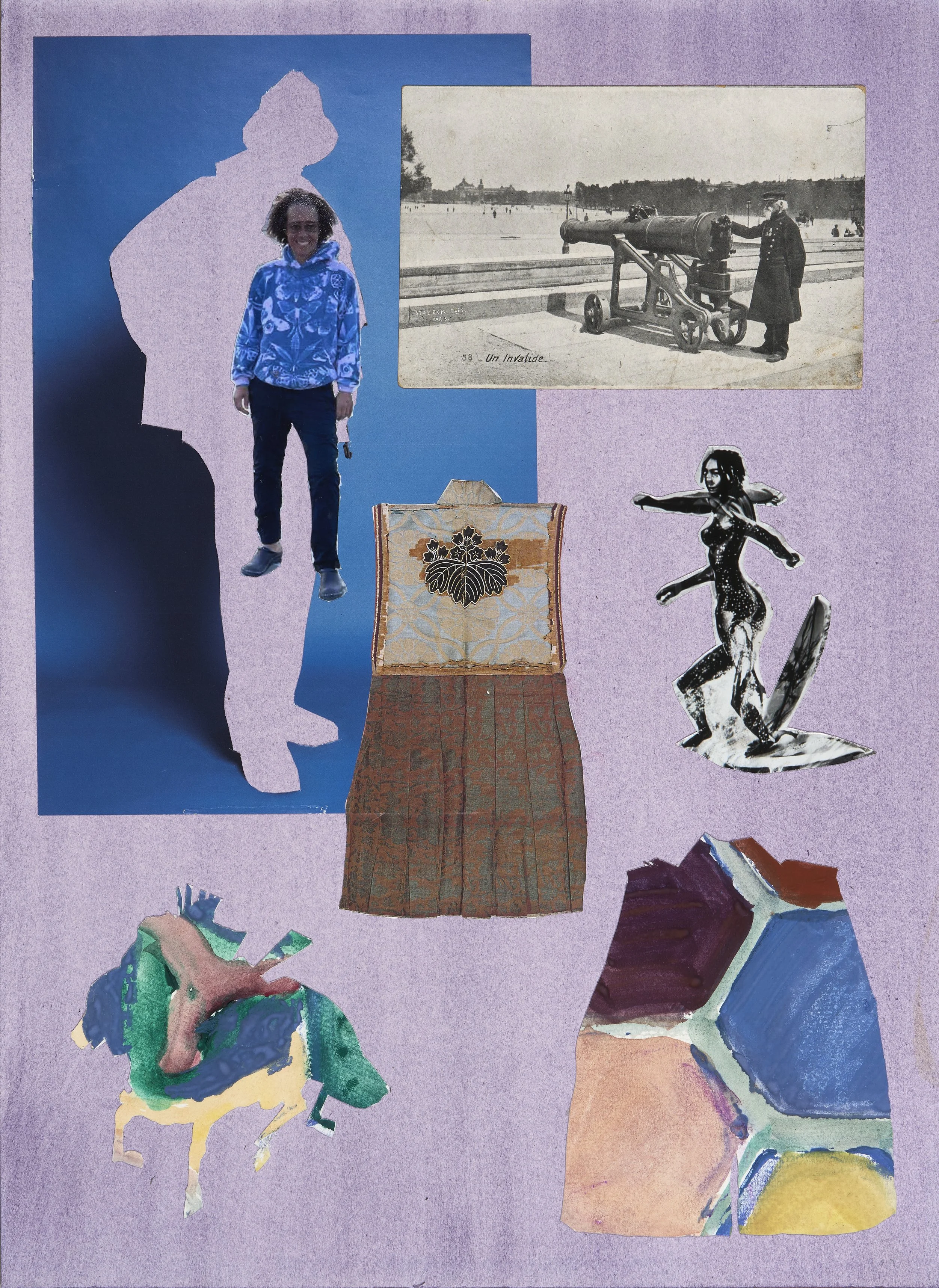


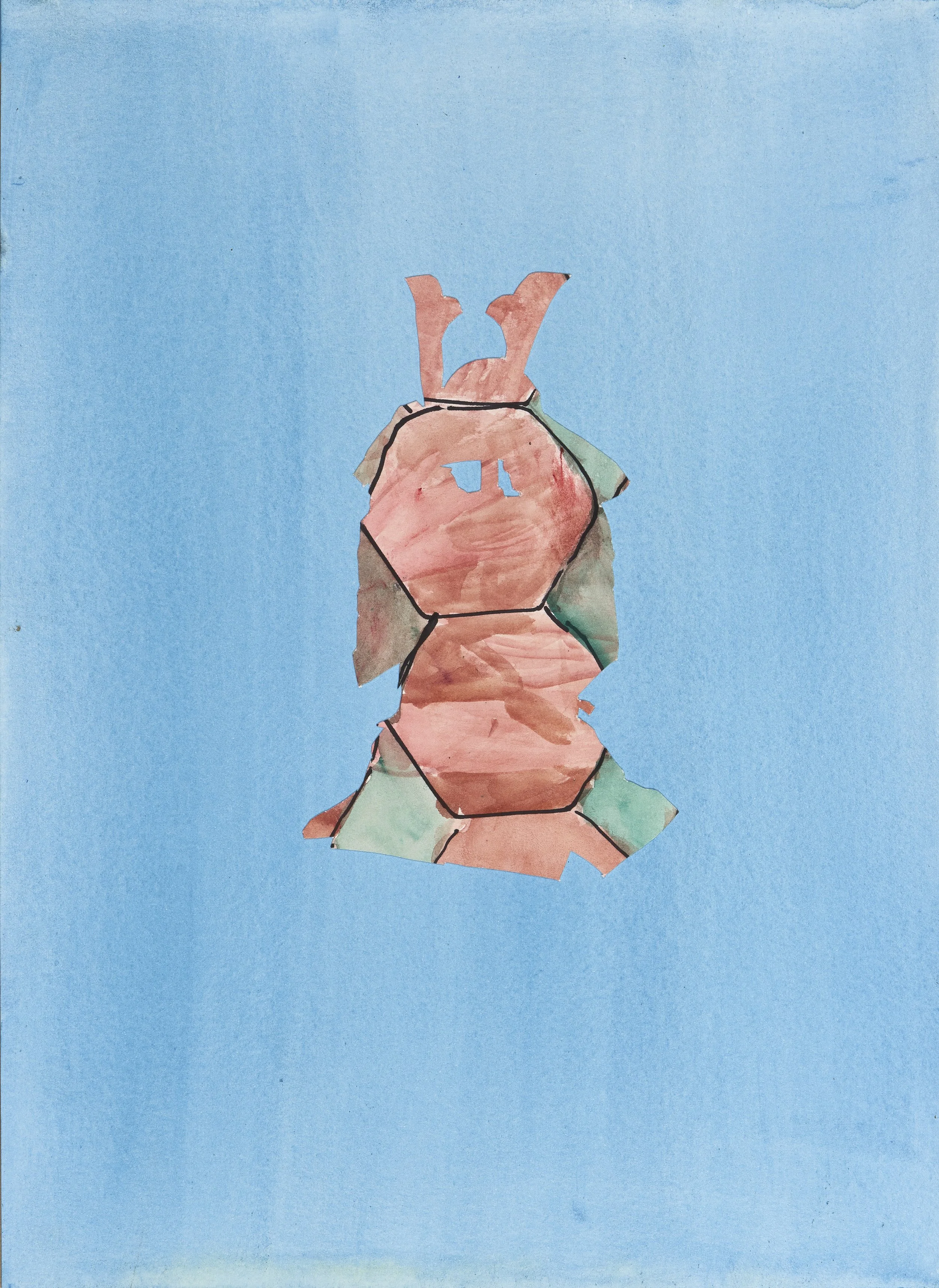


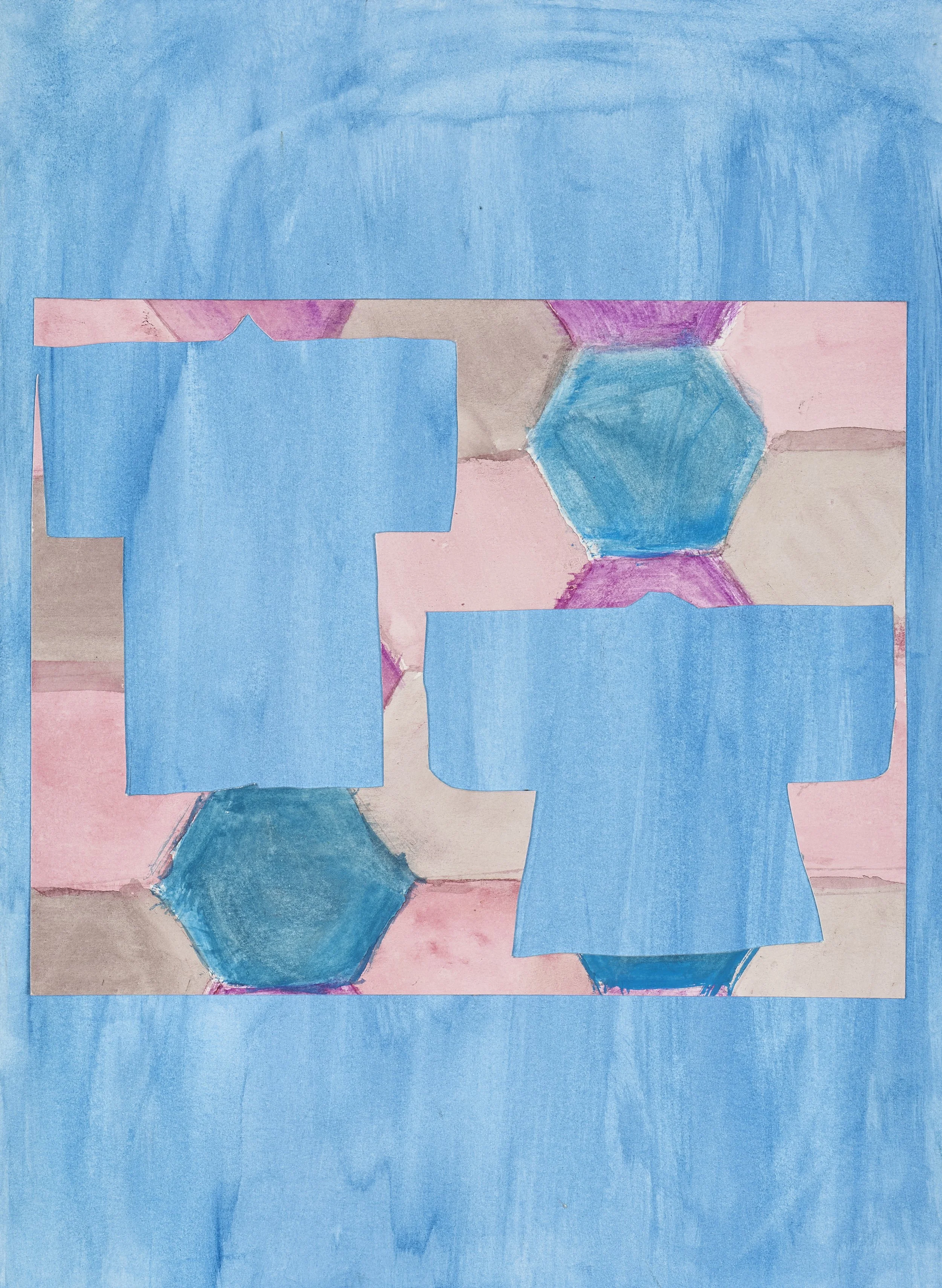
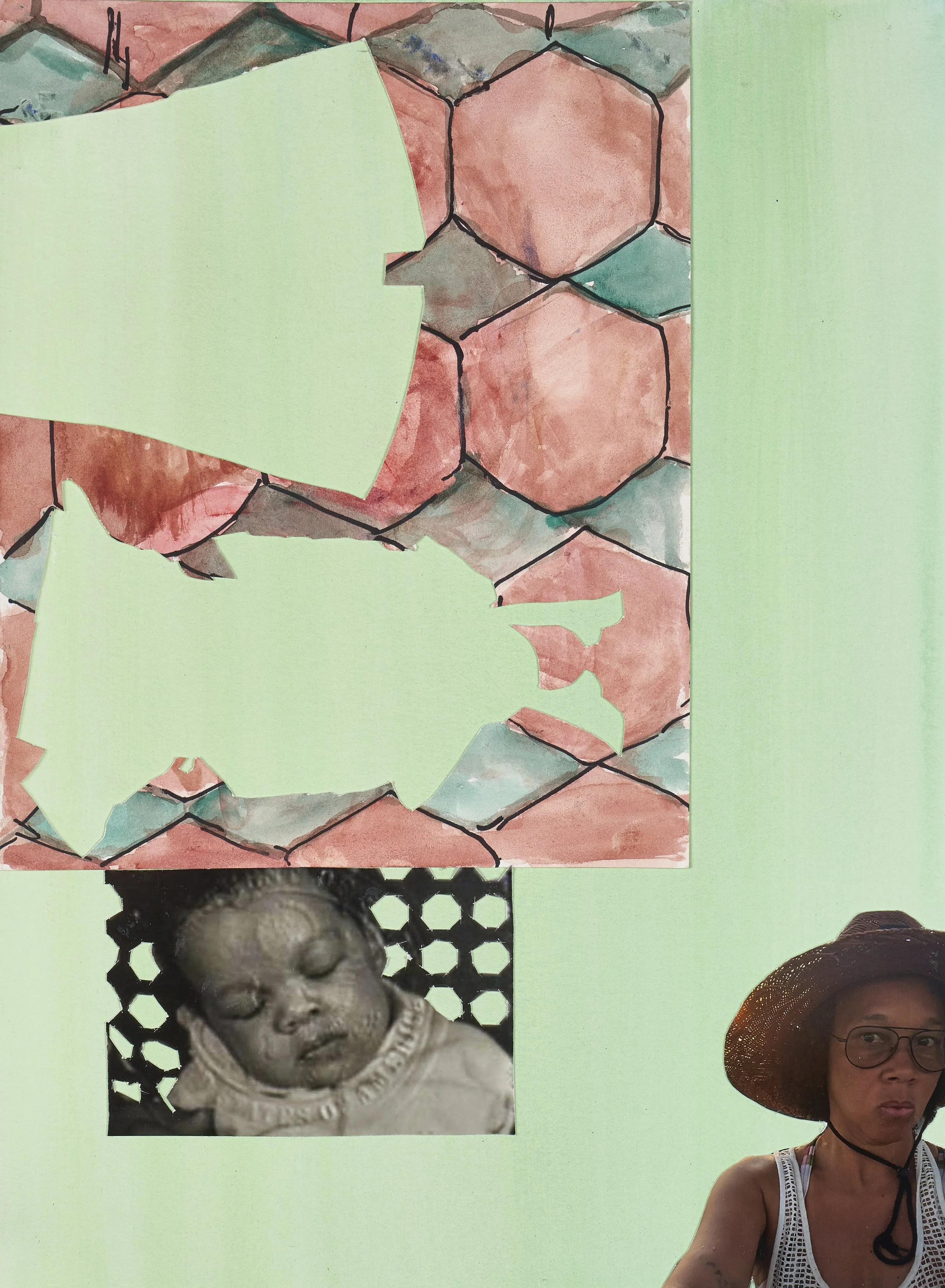
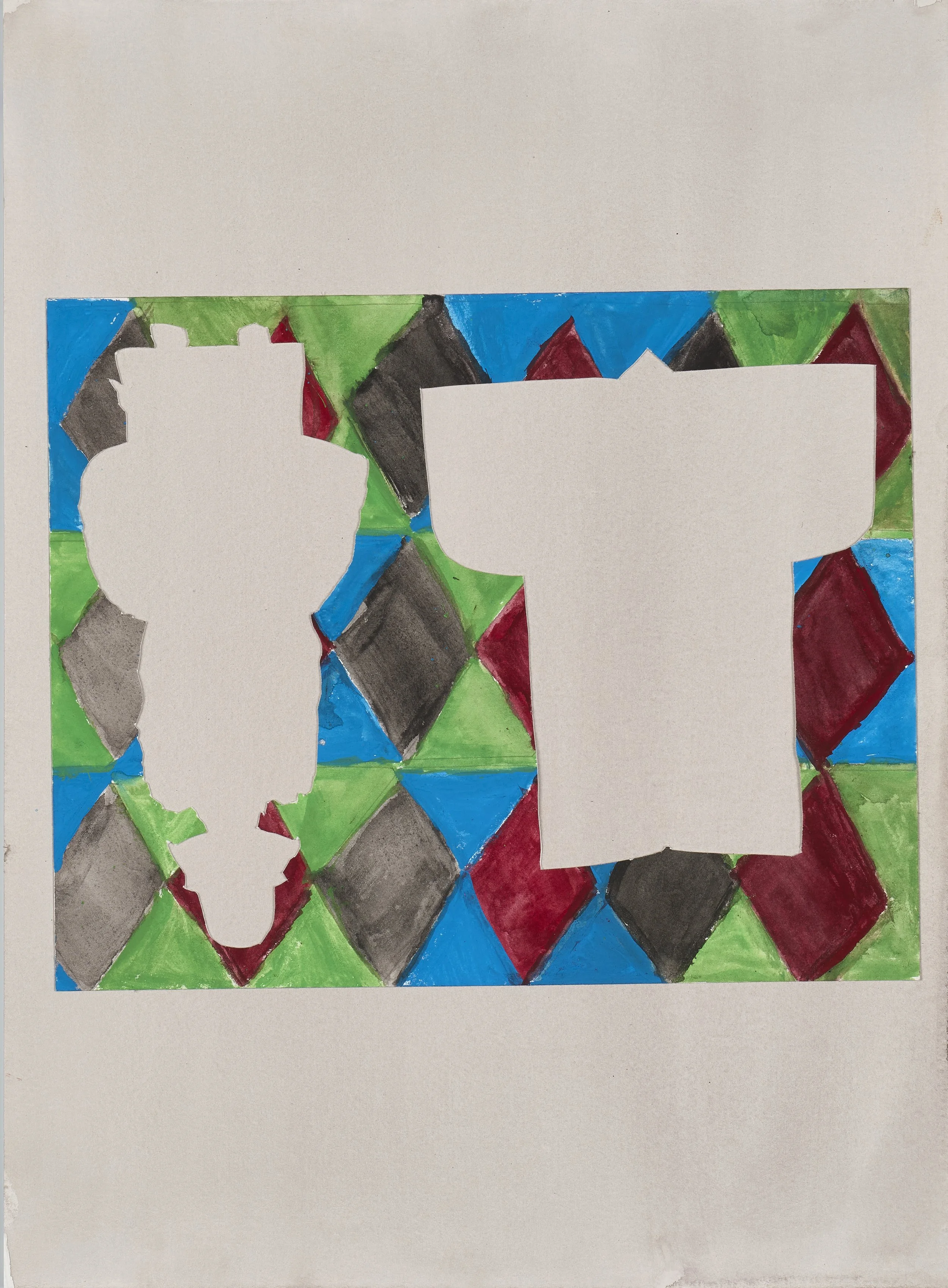
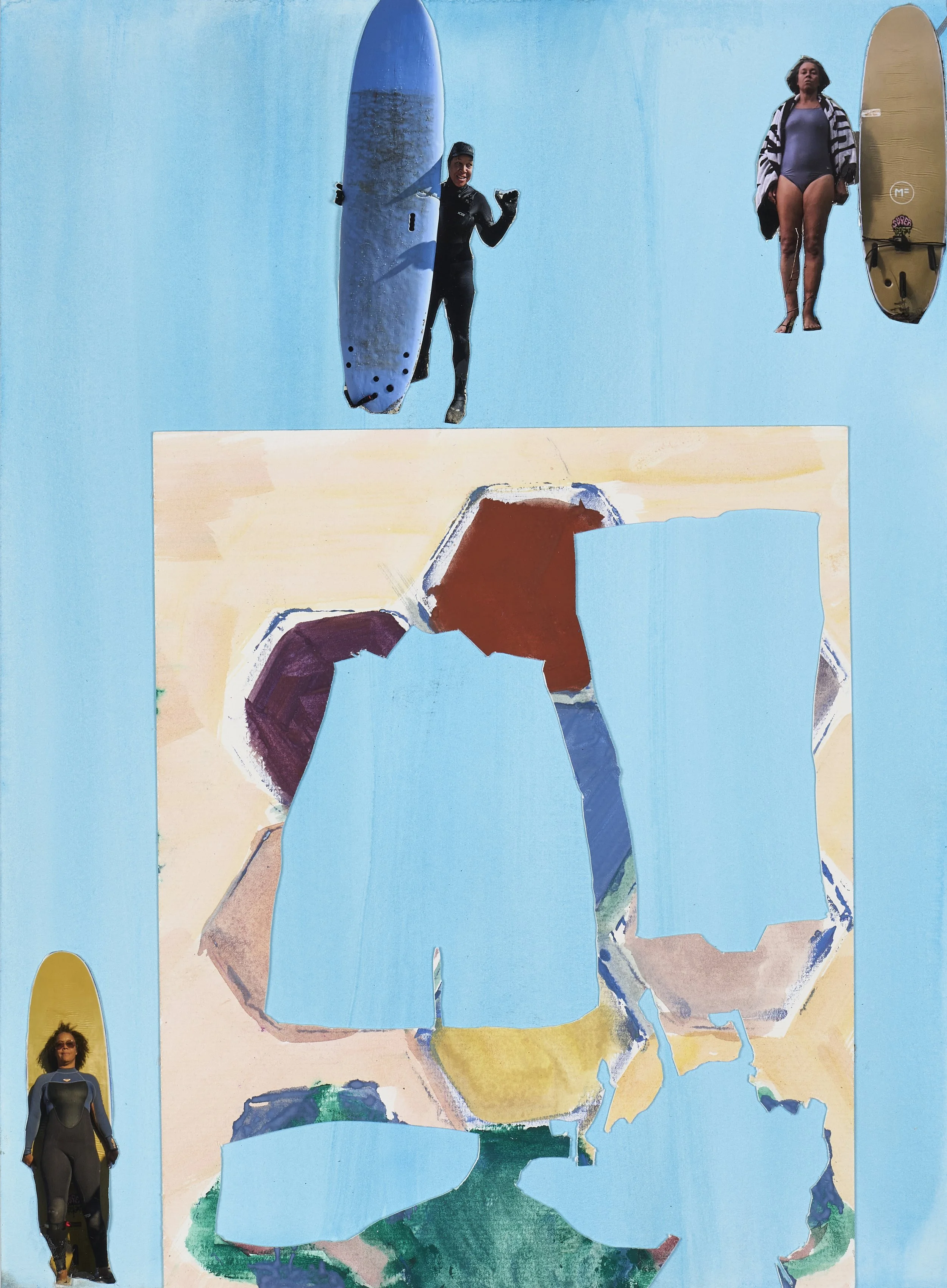
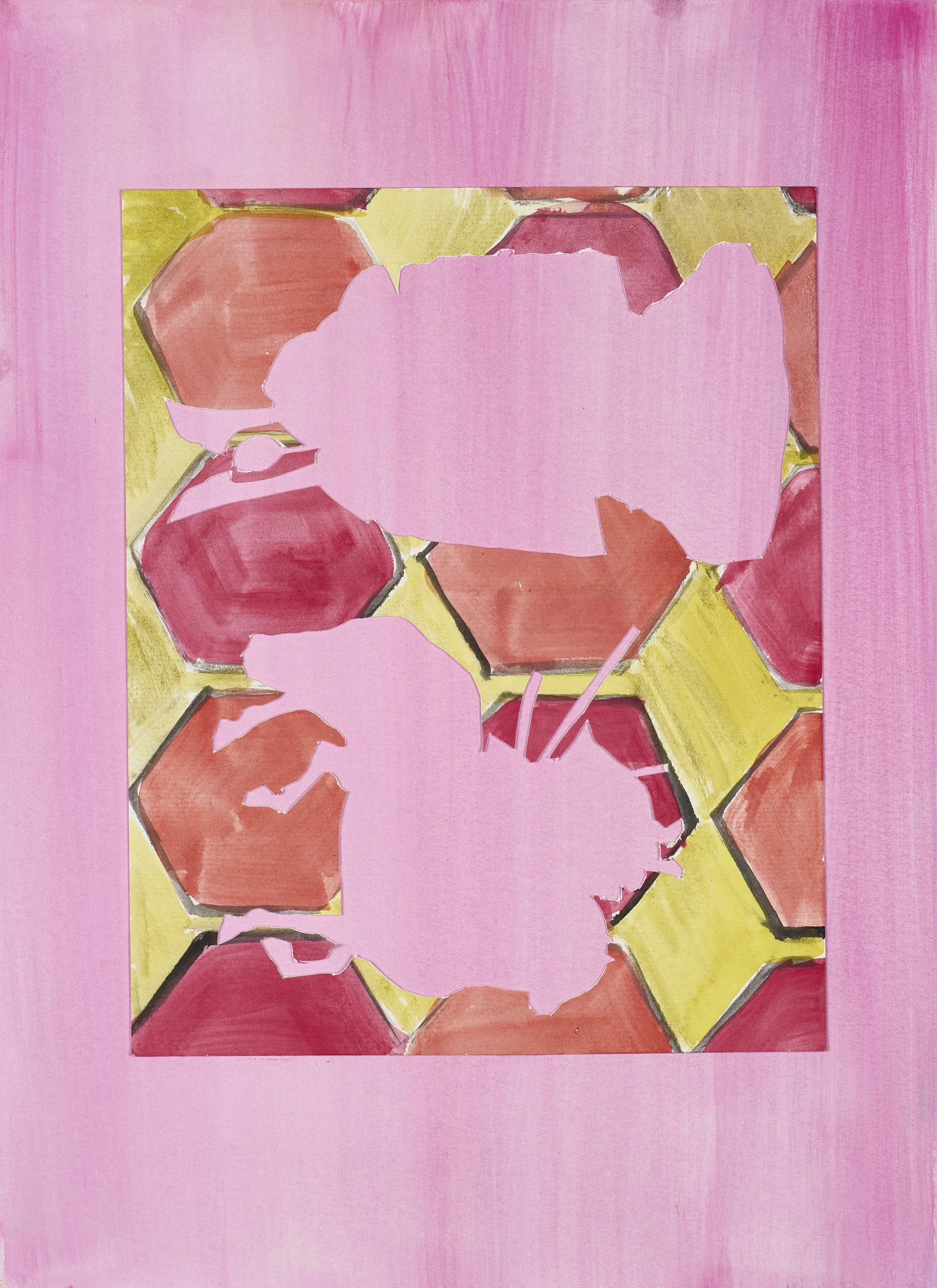
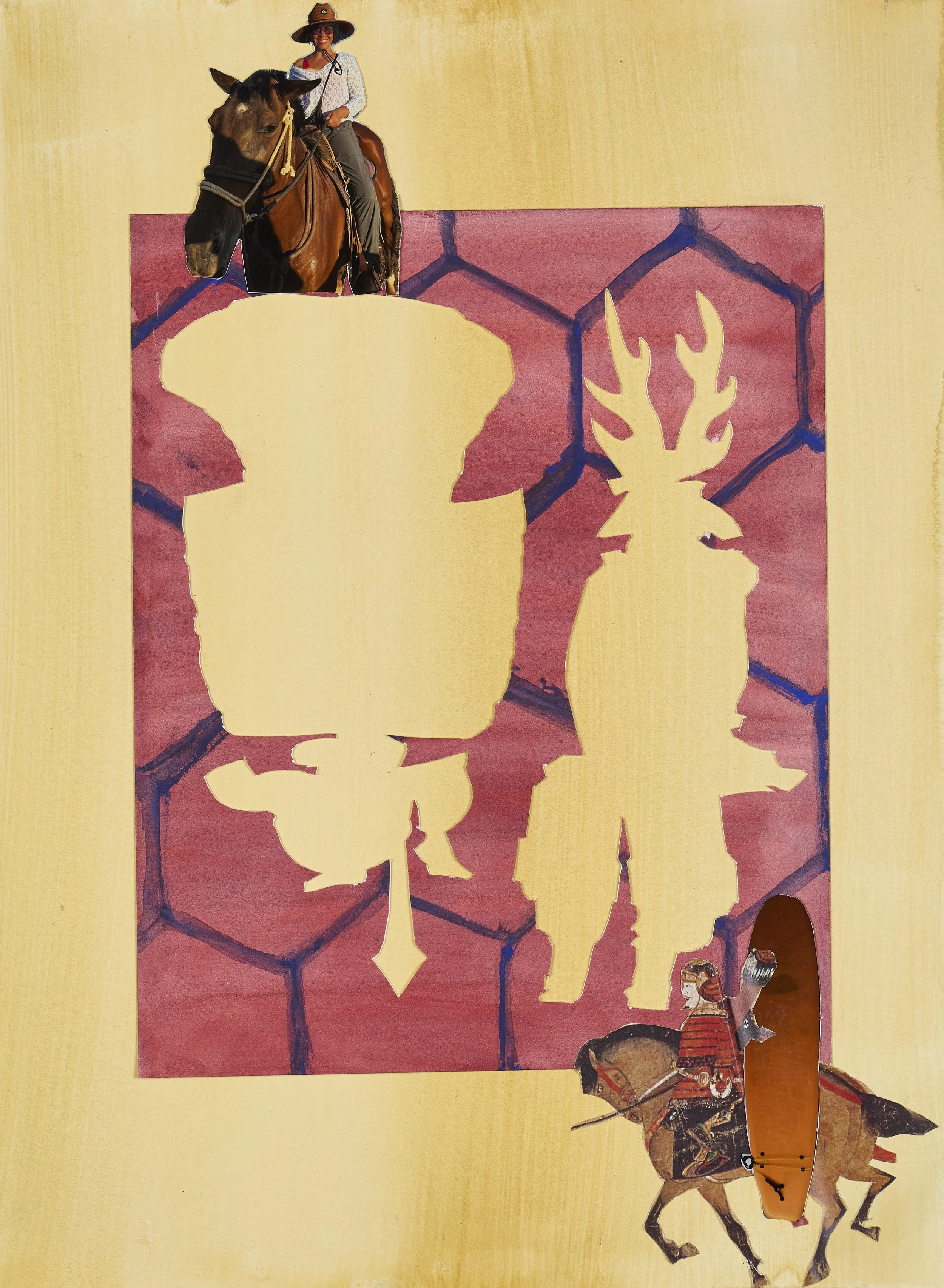
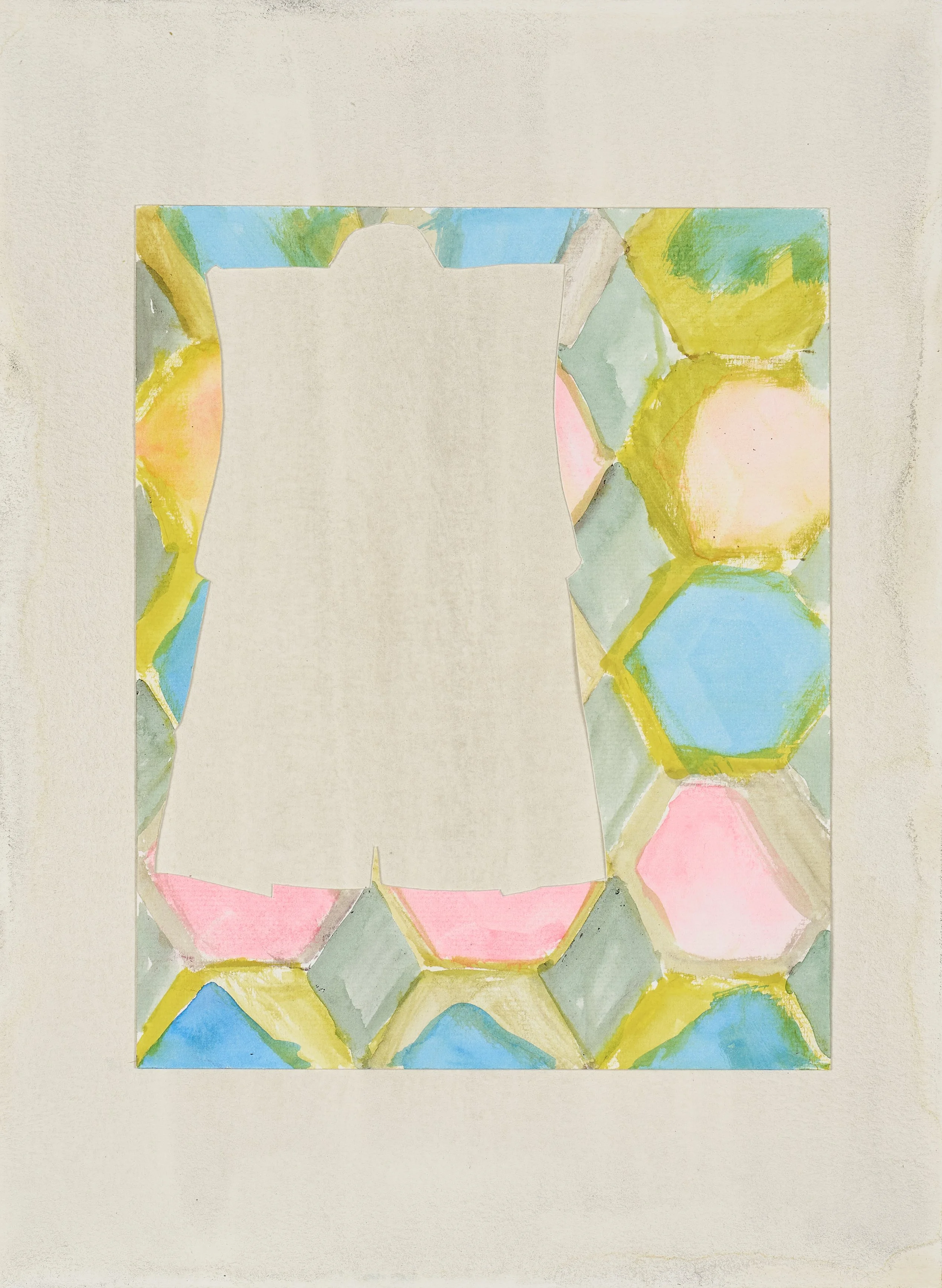

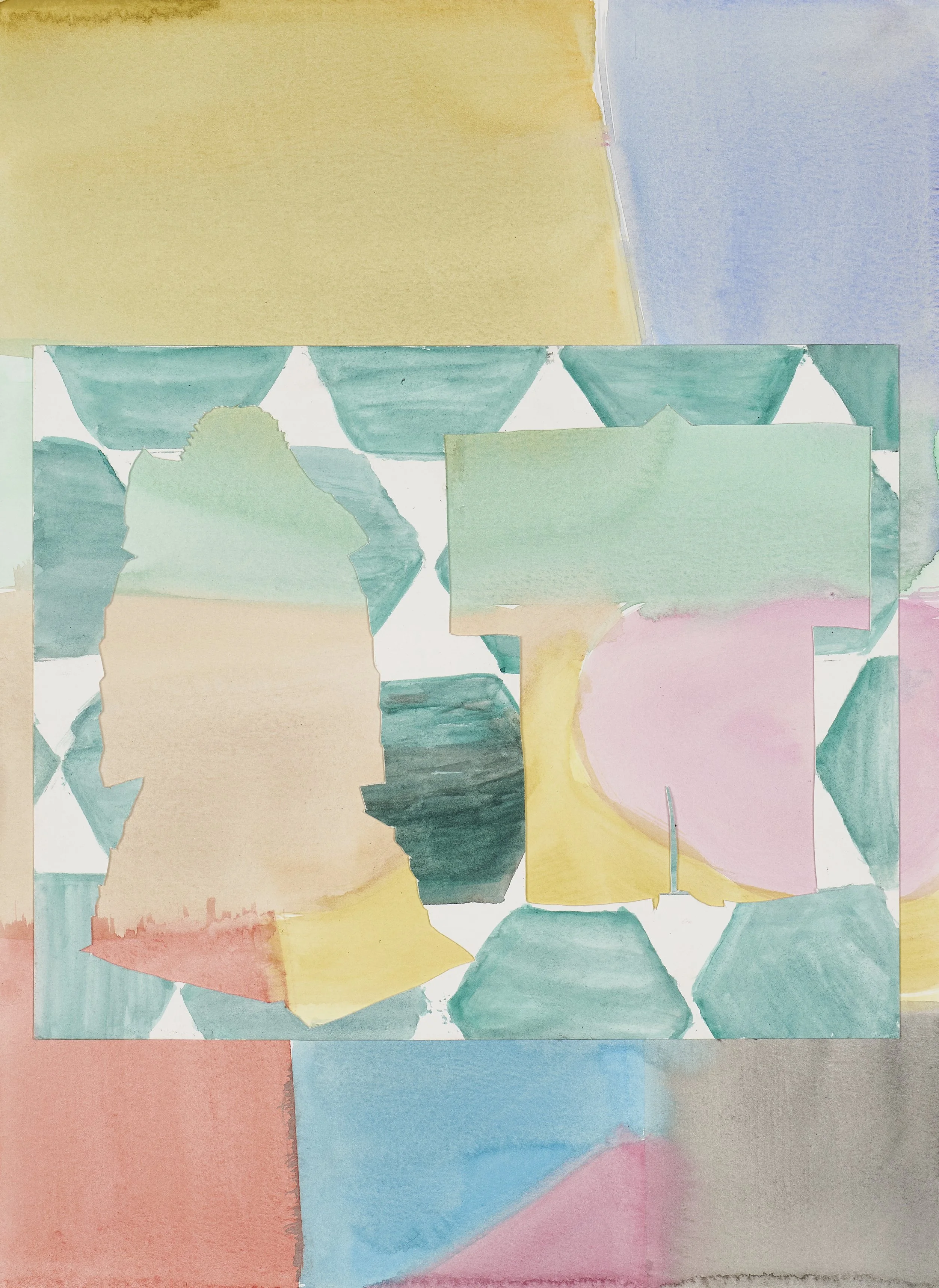

Samurai I
The Way of the Samurai is found in death.
(Meditation on inevitable death should be performed daily. Every day when one’s body and mind are at peace, one should meditate upon being ripped apart by arrows, rifles, spears, and swords. Being carried away by surging waves. Being thrown into the midst of a great fire. Being struck by lightning, being shaken to death by a great earthquake. Falling from thousand-foot cliffs, dying of disease, or committing seppuku at the death of one’s master. And every day, without fail, one should consider himself as dead. This is the substance of the Way of the Samurai)
excerpt from Hagakure by Yamamoto Tsunetomo, 1709-1716
slide show: top collages and silhouettes made from images from Clothes of Samurai Warriors book, contemporary images found in Engineered Garments and Nepenthis catalogues acquired on a trip to Japan, June 2025, the lexicon of my self portraits, family archives and historical postcards from Paris on stained paper
slide show:bottom- samurai costumes cut from Hexagon Rejection paintings some using self portraits on stained paper